Do Apps Add or Remove the Price From the Paywall Button When They Rewrite It?
Among 304 detected paywall buttons whose copy was actually rewritten, 20 added a price marker to the button that wasn't there before, and 18 removed one — a near-even split (Lazyweb Research).[1][2] Another 23 kept price on both sides and 243 had no price either way, so most rewrites never touch button-level pricing at all.[2] These are detected UI diffs with inferred rationale, not measured A/B lift.
Of 304 rewritten paywall buttons, 20 added a price to the button and 18 removed one — a near-even split, with 243 never showing price either way (Lazyweb Research, July 2026).
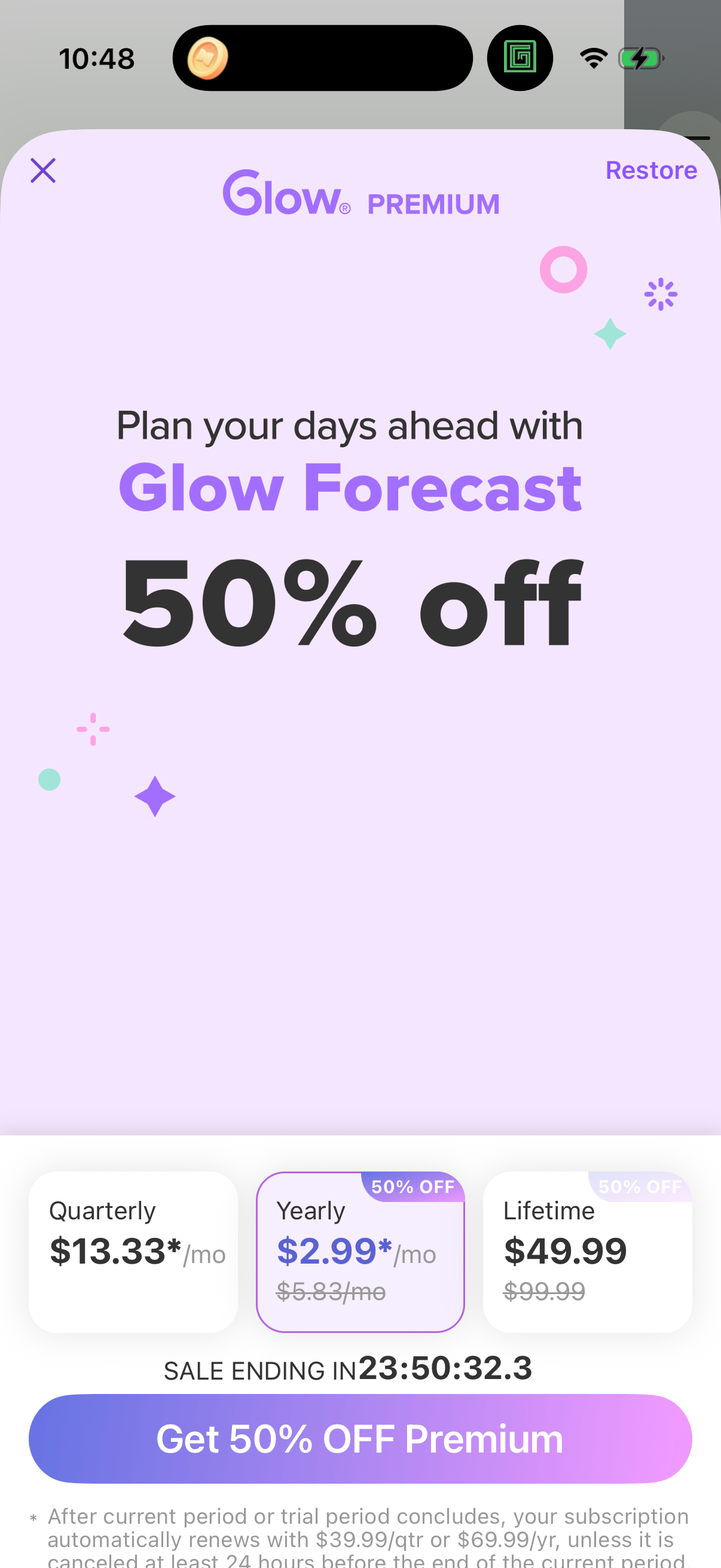
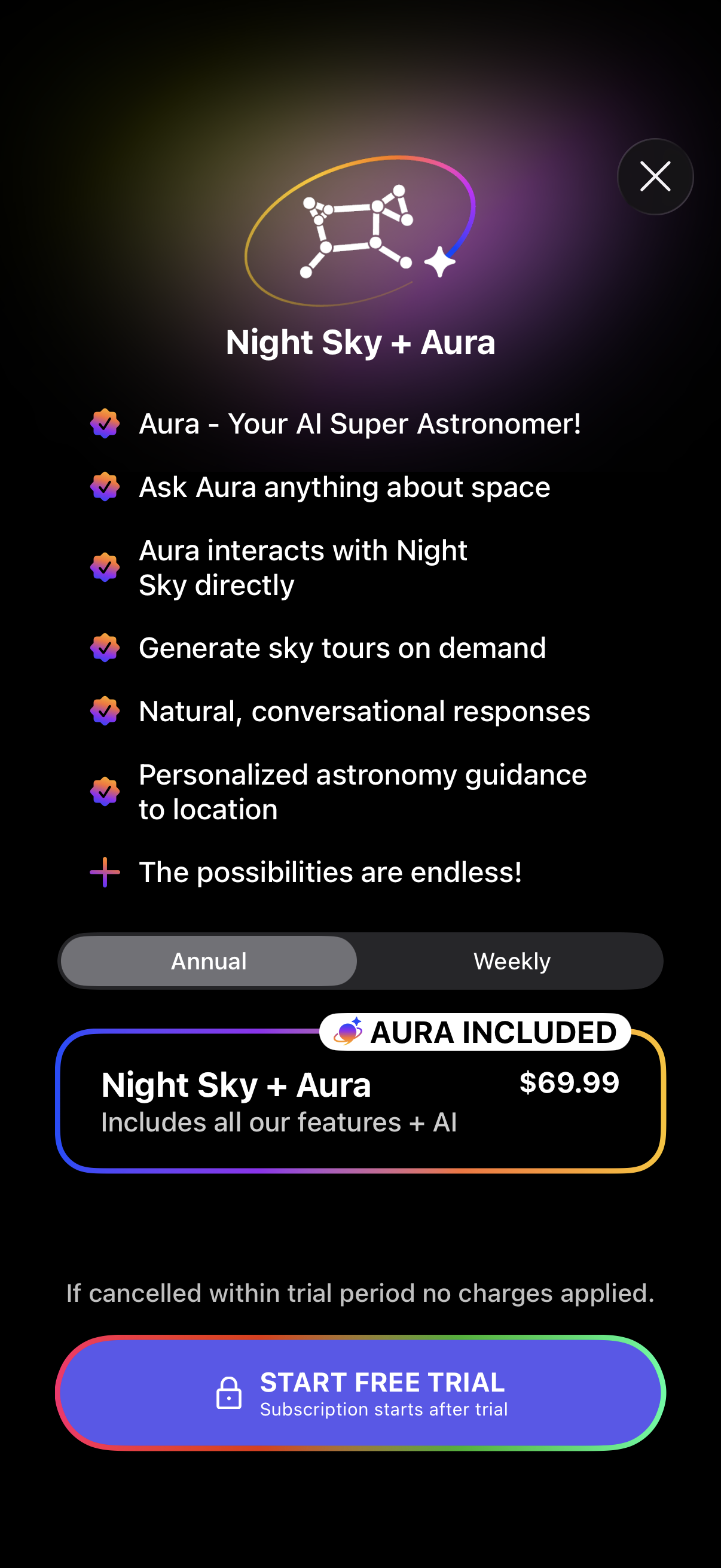

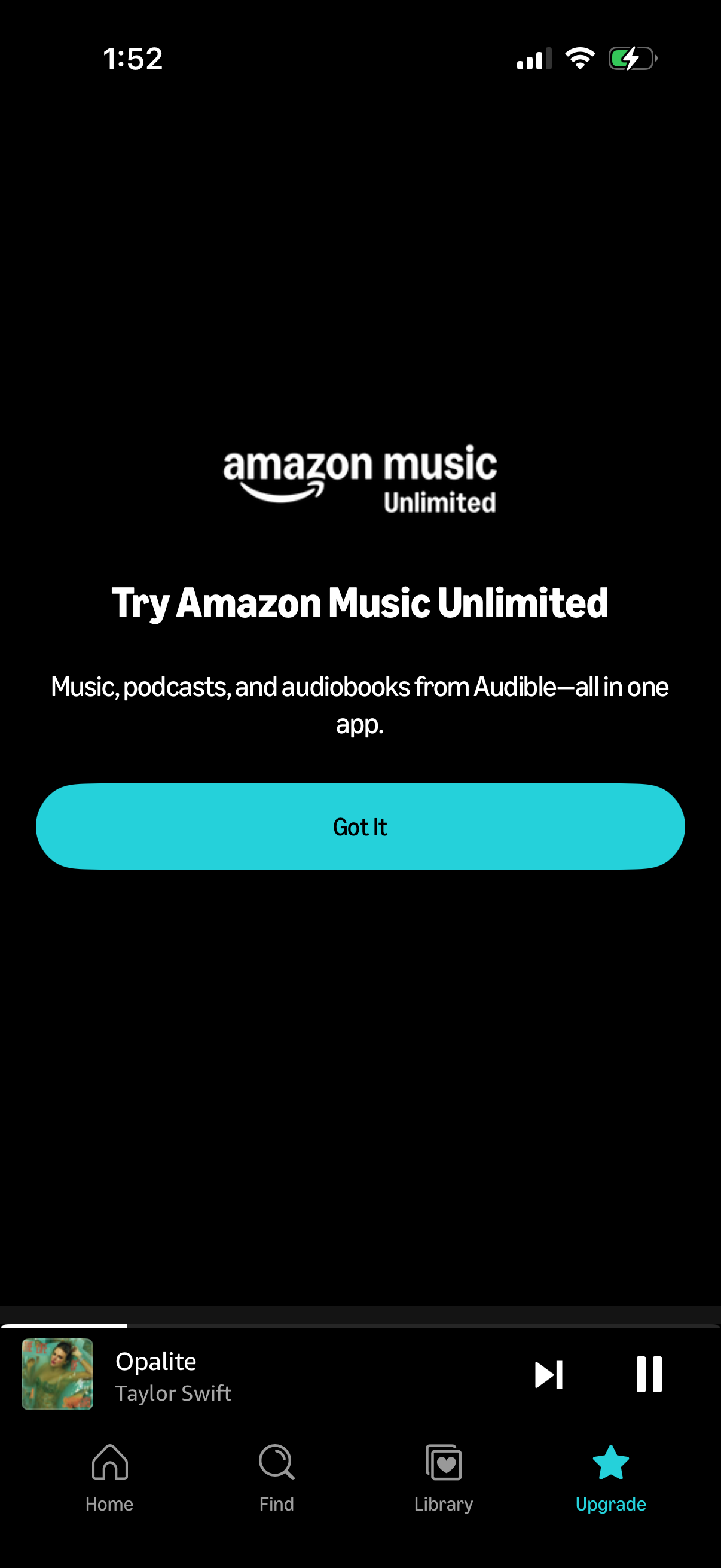
Most paywalls (70%) are direct with no price in the button; putting a price in the button is the exception in every quadrant. Source: Lazyweb Research, 630 paywalls.
| Quadrant | Contents |
|---|---|
| Trial-led / No price in button | Trial-led · no price — 108 (17%) |
| Trial-led / Price in button | Trial-led + price — 20 (3%) |
| Direct (no trial) / No price in button | Direct · no price — 443 (70%) |
| Direct (no trial) / Price in button | Direct + price — 59 (9%) |
| Item | Rewrites (of 304) |
|---|---|
| Price added (absent → present) | 20 |
| Price removed (present → absent) | 18 |
| Price on both before and after | 23 |
| No price either side | 243 |
The finding
Looking only at the 304 detected cases where the paywall button copy genuinely changed, price-on-button moves are roughly balanced: 20 rewrites added a price marker ($, currency, or /mo·/yr) that was absent before (14 companies), and 18 removed one that was present before (13 companies).[1][2] There is no strong directional consensus — apps go both ways in similar numbers.
Where price sits on the button
| Button price state | Rewrites (of 304) |
|---|---|
| Price added (absent → present) | 20 |
| Price removed (present → absent) | 18 |
| Price on both before and after | 23 |
| No price either side | 243 |
The headline is that 243 of 304 rewritten buttons (80%) never carry an explicit price at all — pricing lives elsewhere on the paywall, and the button itself usually stays action-oriented ('Continue', 'Try free').[2]
How to apply it
If you are debating whether to put the price on the button, the corpus says there is no house rule to copy — adds (20) and removes (18) are near-even.[1][2] The more common pattern by far is to keep price off the button entirely (80% of rewrites) and let a benefit or trial verb carry the CTA.[2] Test the price-on-button choice as a genuine open question, not a settled best practice.
Caveats
The 304 base is rewritten-button-copy rows; some contain descriptive annotations (e.g. "Large blue button: 'CONTINUE'") rather than pure copy, so a fraction are annotation noise rather than real changes.[3] Price detection is a regex for currency and per-period markers, so unusual formats may be missed. Every row is a detected UI diff with inferred rationale, never a measured conversion result.[3]
The numbers
| Stat | Computed from |
|---|---|
| 304 rewritten button-copy rows (base) | cta_text_before_after_differ |
| Price added 20 (14 cos), removed 18 (13 cos), both 23, neither 243 | price_on_button_added |
| Some of the 304 rows are annotation noise, not real copy changes | smallSampleWarnings.data_quality |
Sources & citations
- [1] Lazyweb Research analysis of 304 rewritten paywall button texts (within 795 detected changes, 146 companies), July 2026. Base = rows where cta_text_before and cta_text_after both present and differ. Price markers detected by regex; add=20, remove=18, both=23, neither=243. ↩
- [2] Lazyweb Research analysis of 795 detected paywall CTA changes (146 companies), July 2026. Detected UI diffs with inferred rationale, not measured A/B outcomes. Some rewritten-text rows contain annotation noise. ↩
Source: Lazyweb Research — proprietary analysis of real, in-market app screens. Cite as Lazyweb Research, 2026-07-07.
Related questions
More in How apps rewrite paywall CTAs (before/after experiment pages) →