How Common Are Camera and Other Permission Asks in Mobile Apps?
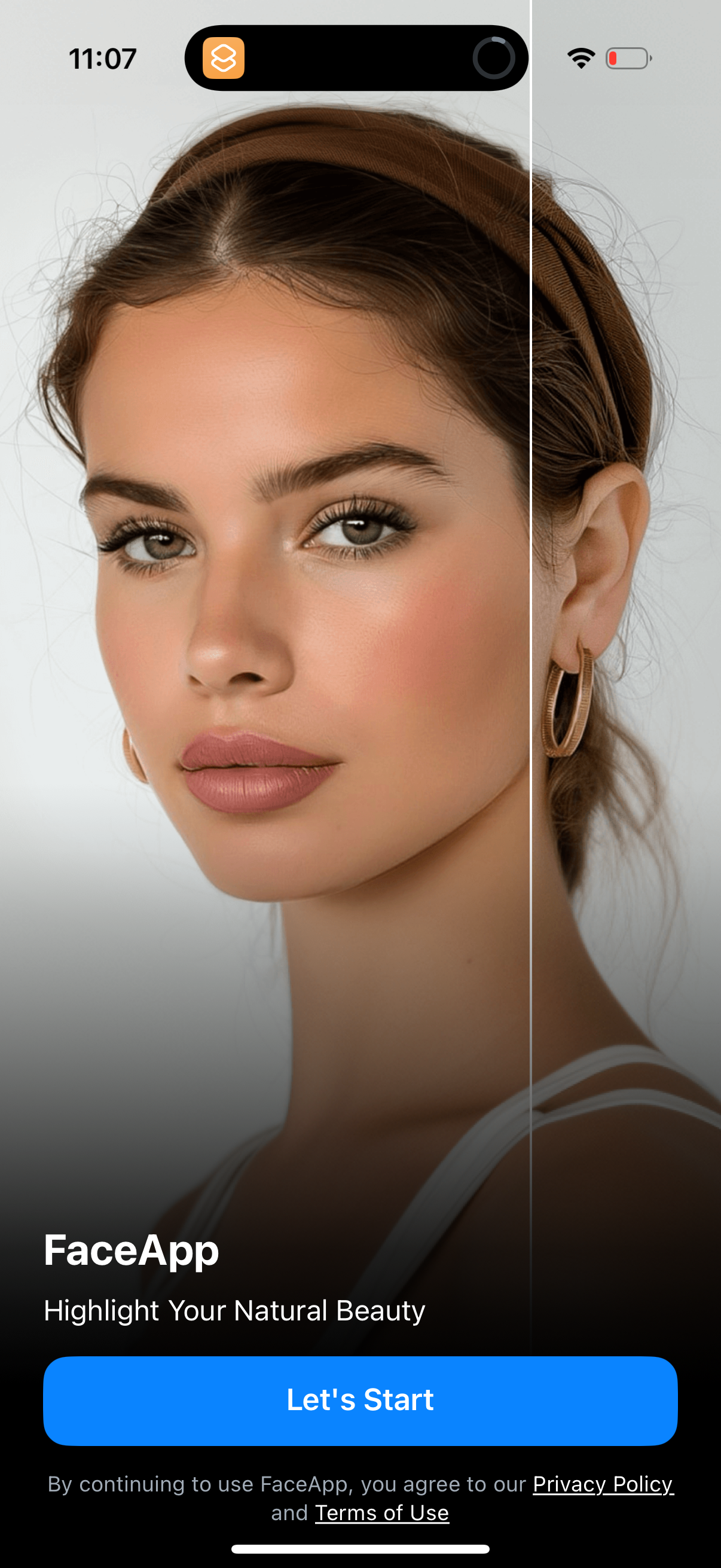
In Lazyweb Research's corpus, camera-permission screens appear in 15 apps (20 canonical screens), and all other permission types are smaller still — bluetooth (6 apps), health (2), network (2), microphone (3) [1][2]. These are inventory counts only; samples are too small for timing or percentage claims. Camera is the largest of the 'minor' permissions but still a niche ask.
Camera-permission screens appear in just 15 apps (20 screens); every other minor permission is smaller — Lazyweb Research, July 2026.

| Item | Screens |
|---|---|
| Camera / photos | 20 |
| Bluetooth | 9 |
| Motion + generic prompts | 8 |
| Health | 7 |
| Network | 4 |
| Microphone | 3 |
The finding
Camera-permission canonical screens span 20 screens across 15 apps [1]. Only 2 flows contain a camera screen, so flow-position stats were dropped below the reporting threshold — inventory and named examples only [1]. Other permission types are smaller still [2]:
| Permission | Screens | Companies |
|---|---|---|
| Camera / photos | 20 | 15 |
| Bluetooth | 9 | 6 |
| Motion + generic prompts | 8 | 3 |
| Health | 7 | 2 |
| Network | 4 | 2 |
| Microphone | 3 | 3 |
What this means
Camera is the largest of the secondary permissions but still an order of magnitude smaller than notifications (65 verified apps). Health (2 apps), network (2), microphone (3), and motion (3) are all below the n=8 threshold — anecdote-only, name the apps rather than generalizing [2]. There is no defensible 'when to ask for camera' timing benchmark in this corpus.
How to apply it
Ask for camera, microphone, or health permissions in-context, at the exact moment the feature needs them — there is no captured priming-screen norm for these the way there is for notifications. Because peer examples are sparse, borrow the just-in-time pattern (ask when the user taps the feature) rather than a dedicated onboarding screen.
Caveats
All counts here are inventory only; every category except camera is below the n=8 threshold and should be treated as anecdote [1][2]. Camera itself has only 2 flows with position data, so no timing claim is defensible [1]. Capture is incidental, so all counts are floors.
The numbers
| Stat | Computed from |
|---|---|
| camera 20 canonical screens across 15 companies; only 2 flows contain one | camera_screens_inventory: camera label set |
| bluetooth 9 screens/6 companies, health 7/2, network 4/2, microphone 3/3, motion+generic 8/3 | other_permission_inventory: remaining permission label sets |
Sources & citations
- [1] Lazyweb Research analysis of 15 apps (camera-permission set, 807-app corpus), July 2026. 20 canonical screens; only 2 flows contain one, so position stats dropped below threshold. ↩
- [2] Lazyweb Research analysis of minor permission sets (807-app corpus), July 2026. Bluetooth, health, network, microphone, motion — all below the n=8 threshold, anecdote-only. ↩
Source: Lazyweb Research — proprietary analysis of real, in-market app screens. Cite as Lazyweb Research, 2026-07-07.